
My first semester in the ScotGEM programme has been both intense and rewarding. Although the theoretical aspect of the course is challenging, and adjusting to the workload as a first-year student was no easy task, this was balanced by the possibility of practical application from day one. In fact, one of the most valuable aspects of the programme has been working with a Generalist Clinical Mentor (GCM) – an experienced GP who guides our introduction to primary care – via weekly small-group sessions that happen in placements within a GP practice. These have provided opportunities to further enhance our understanding of key concepts, by sharing knowledge and learning from one another, as well as interacting with patients.
My first placement was at Pitcairn Practice in Balmullo under the mentorship of Dr Panna Muqit. It allowed us to apply skills acquired through the Clinical Interactions Course (CLIC) in a real-world setting. This was essential because while CLIC provided structured training in a simulated environment, GCM sessions enabled us to engage directly with patients who shared their experiences, symptoms, and perspectives on their healthcare. These interactions emphasised the personal and social dimensions of illness, which expanded my understanding of patient care beyond clinical presentations.
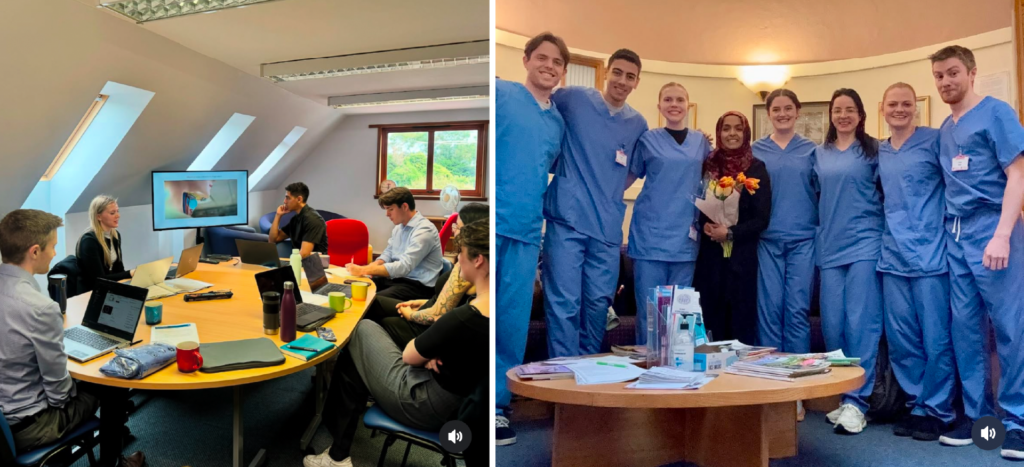
In addition to the learning at Pitcairn Practice, some GCM sessions took place out in the community, where we gained insight into the role of social and green prescribing in modern healthcare. These experiences demonstrated how lifestyle modifications, community support, and social engagement can complement traditional medical interventions, supporting the need for a holistic approach to care.
A particularly memorable experience for me was our visit to Maggie’s Centre in Dundee, during our week focusing on breast cancer. This visit provided an invaluable perspective on the supportive care available to patients beyond conventional medical treatment. The centre’s welcoming environment immediately caused an impression of warmth and openness. During this visit, our group, guided by Dr Muqit, had the privilege of speaking with two women who generously shared their personal experiences of living with breast cancer.
Their narratives highlighted the uniqueness of each patient’s journey, reminding me that illness extends beyond physical symptoms to emotional and psychological challenges. This aspect of patient care is often overlooked in early medical training, yet it plays a crucial role in overall wellbeing. Hearing first-hand accounts of resilience, uncertainty, and support reinforced the importance of empathy and communication in clinical practice.

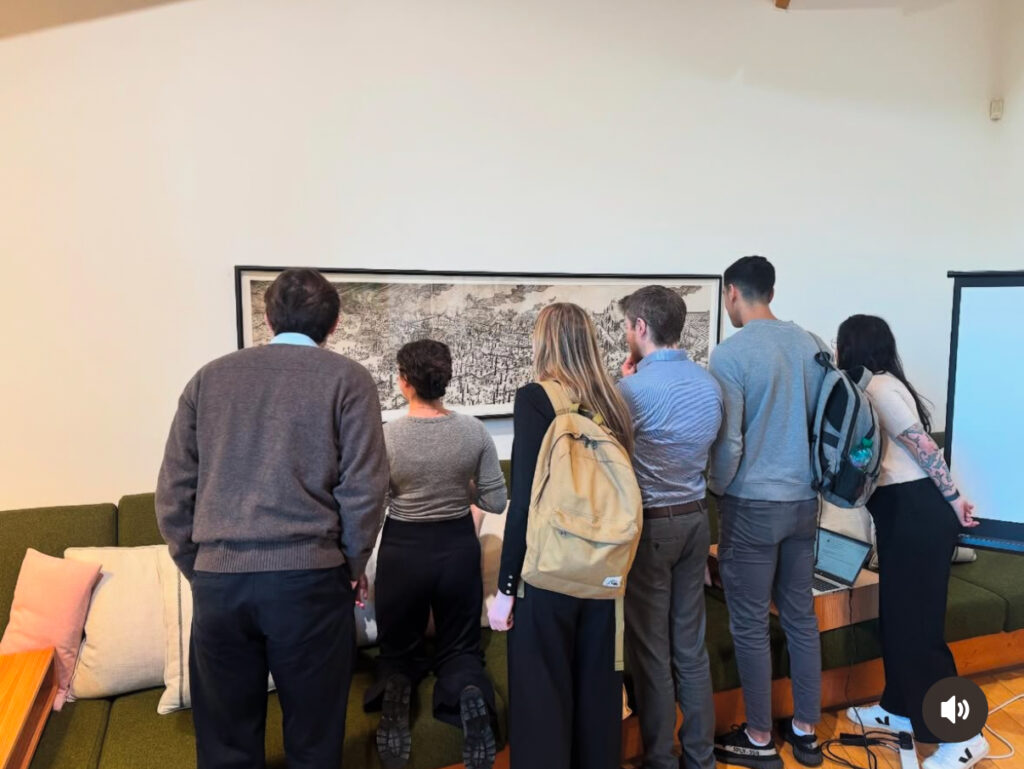
The architecture and design of Maggie’s Centre also stood out. Its carefully designed environment promotes a sense of calm and safety, providing a space where individuals can seek support without the clinical feel of a hospital setting. The centre offers services not only for patients but also for their families and caregivers, recognising the broader impact of a cancer diagnosis.
Reflecting on this experience, alongside my time with my GCM group, has shaped my understanding of what it truly means to provide patient-centred care. Medicine is not solely about diagnosis and treatment but also about supporting individuals through complex health challenges. As I progress through my ScotGEM journey, these experiences will continue to inform my approach, reinforcing the importance of holistic, compassionate care.
For more information on Maggie’s Dundee and the essential services they provide, visit: Maggie’s Dundee.
Photos by Panna Muqit